01
Land, and a shed on it
Open ground near Nuzvid with a roofed shed, a floor that can be washed down, and fencing. This is the one large, one-time cost.

Upcoming project
The next work the Samithi intends to take up: shelter, fodder and care for cows that have nowhere else to go.
Why a goshala
For six years the Samithi has done one thing: put food in front of whoever arrives. Gau seva is that same instinct pointed at the animal our tradition has always held first. A cow that has stopped giving milk, or has grown old, or has simply been let loose on the road, is fed by no one. A goshala is where such a cow is taken in, fed twice a day, treated when it is ill, and left in peace.
There is a practical side as well. Milk from the goshala would go to the Samithi’s own kitchen and to the shrine, and cow dung and gomutra would go back to the fields around Nuzvid rather than being bought in.
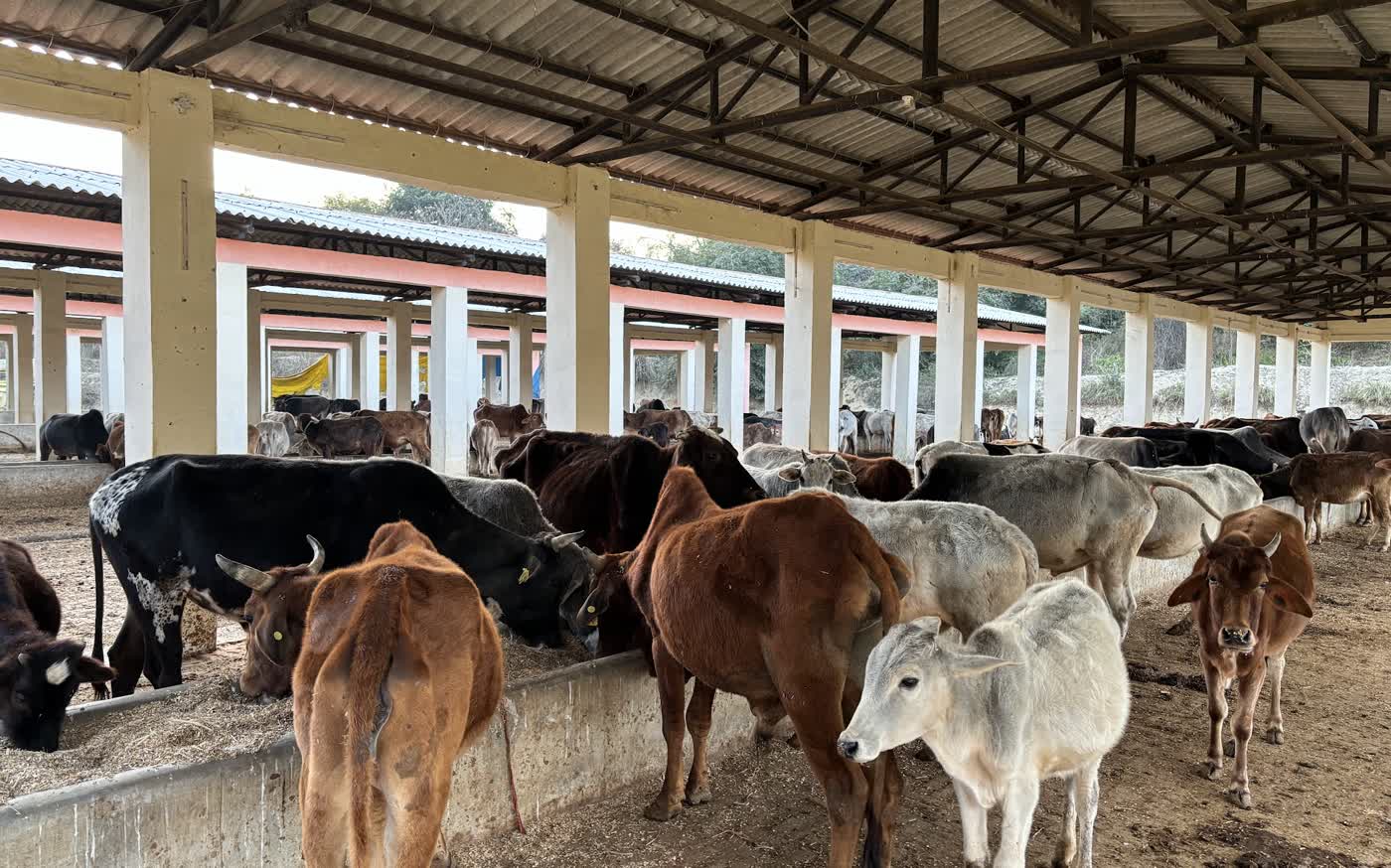
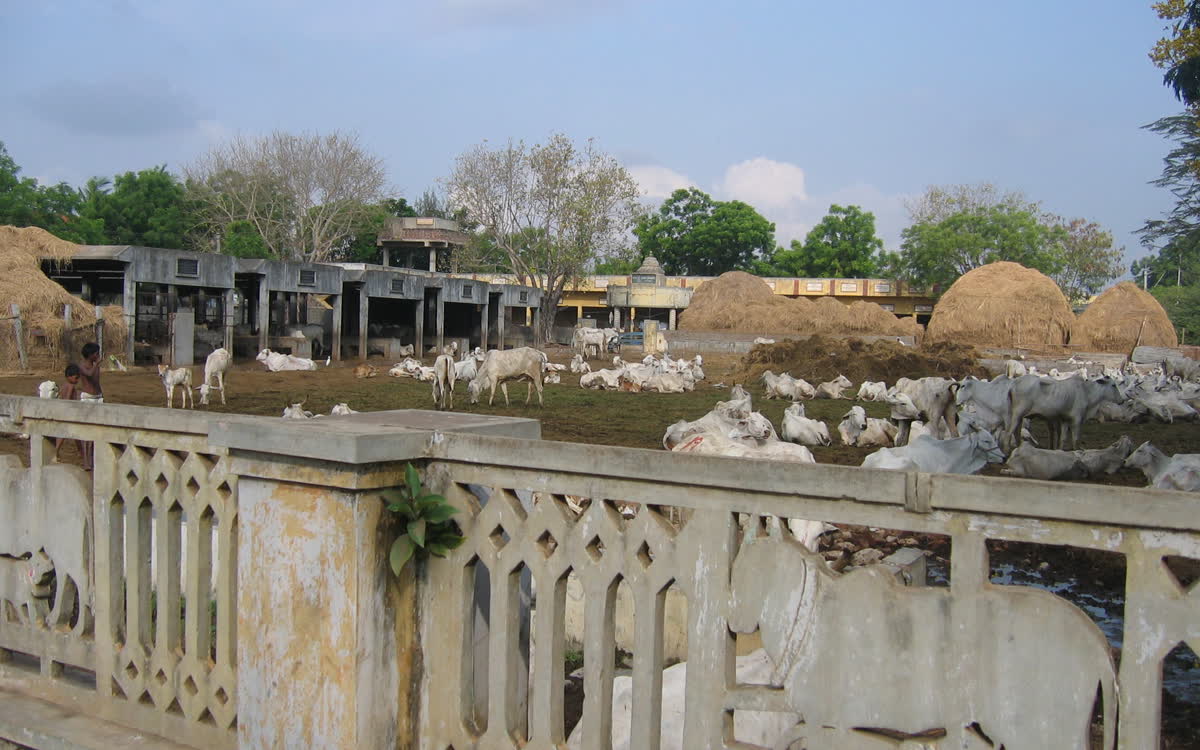
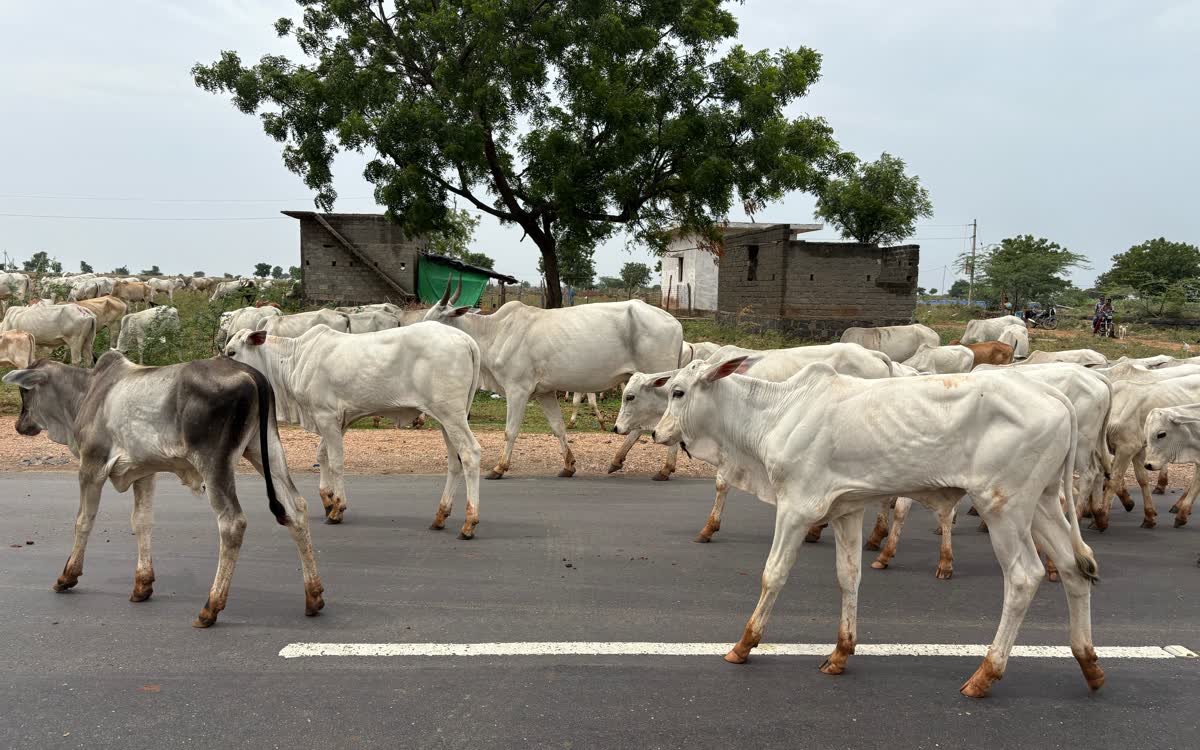
A working gaushala elsewhere in India. This is not the Samithi’s — ours does not exist yet.
01
Open ground near Nuzvid with a roofed shed, a floor that can be washed down, and fencing. This is the one large, one-time cost.
02
Green fodder, dry straw and feed do not stop for festivals or for a bad month. This is the recurring cost, and it is the one that decides whether a goshala survives its second year.
03
A borewell and troughs, and a veterinary doctor on call for vaccination, deworming and the injuries that road cattle usually arrive with.
04
A paid cowherd who lives on site, and the same volunteers who already cook and serve. Cows cannot be looked after on enthusiasm alone.
Where it stands
Site, herd size and costing being finalised
We would rather publish nothing than publish a figure we cannot stand behind. The site, the number of cows we can honestly feed and the full costing will appear on this page as each is settled, and the work will begin only when the recurring fodder cost is covered — not merely the land.
Land, a shed, a borewell or fodder for a season are all useful in kind, and so is a contribution marked for the goshala. Please tell us in your message or on the telephone that a donation is meant for this project, so that it is recorded against it and not spent on the day’s cooking.
Photographs
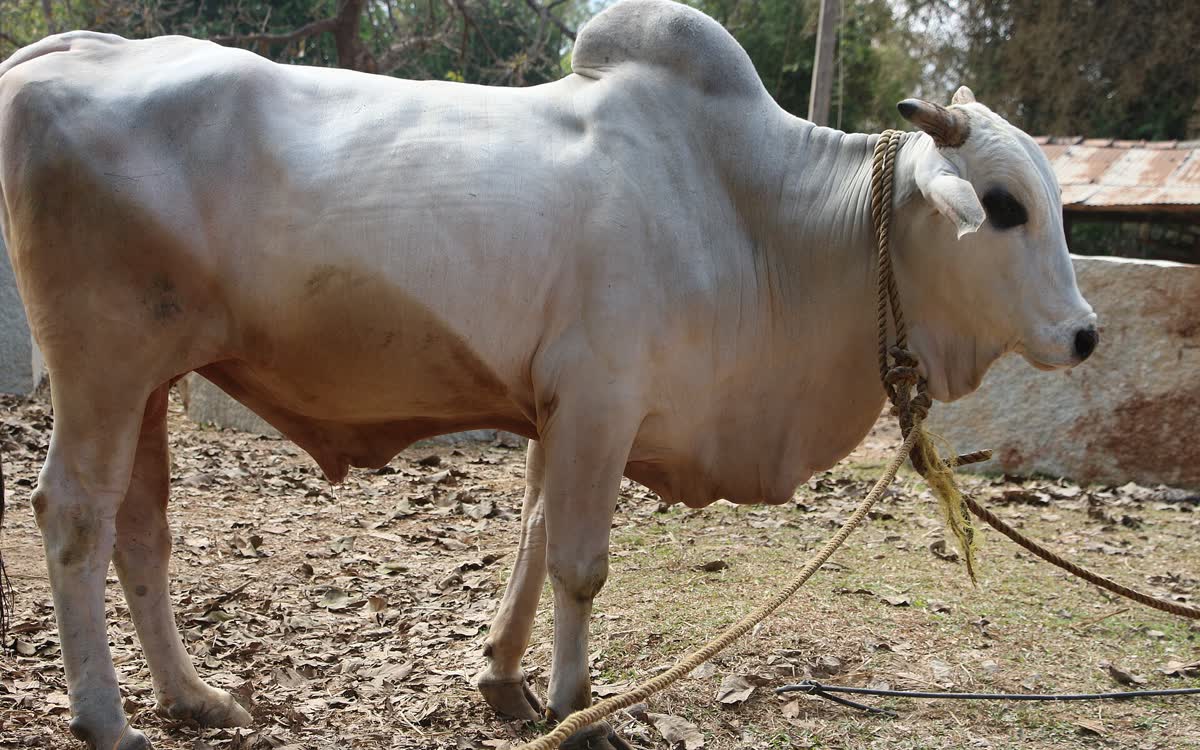
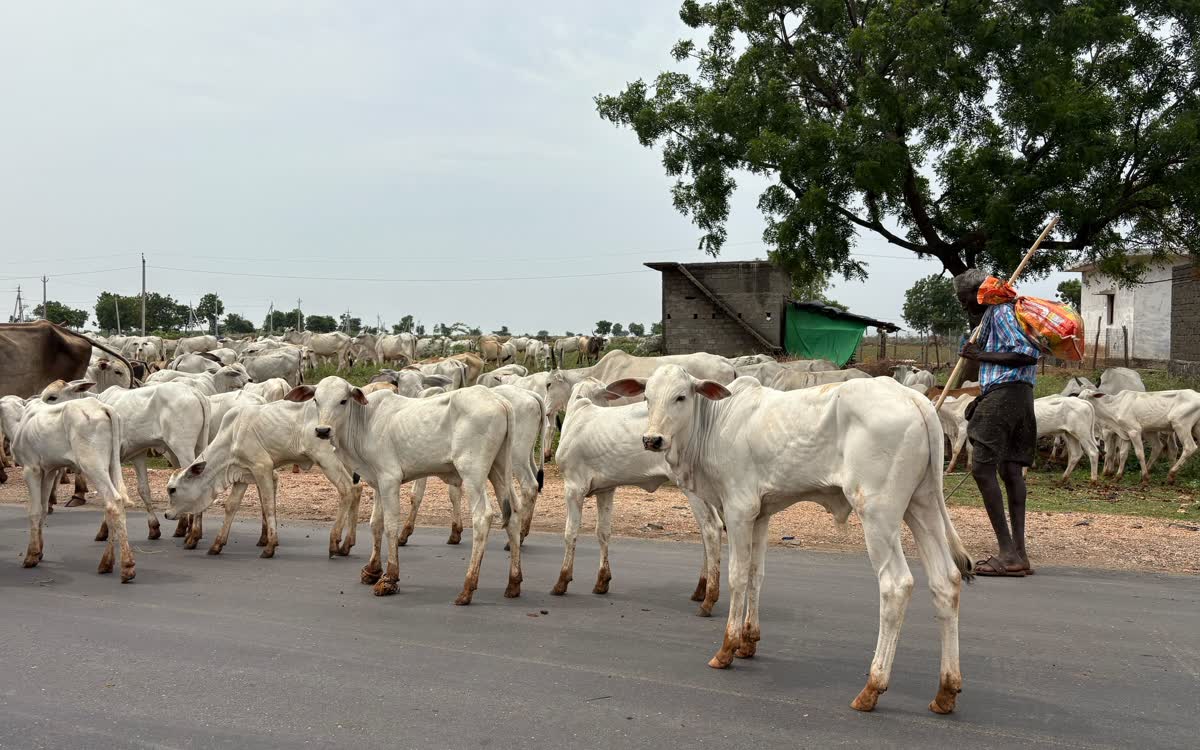
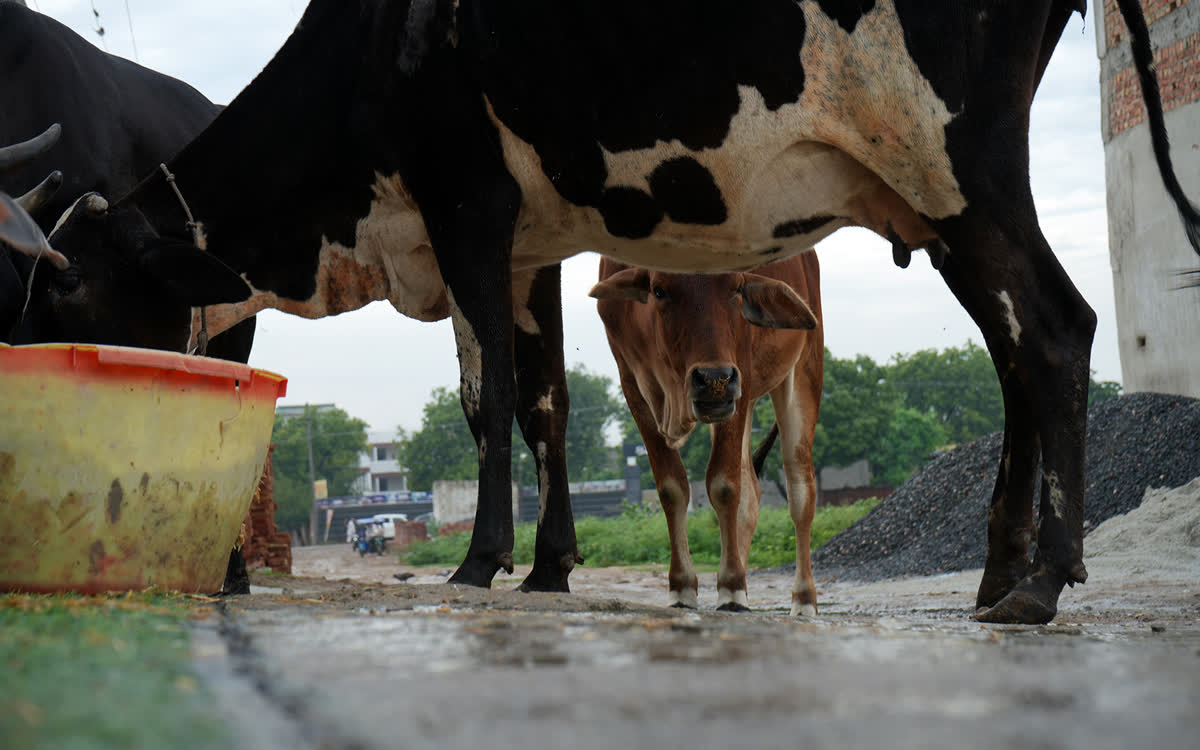
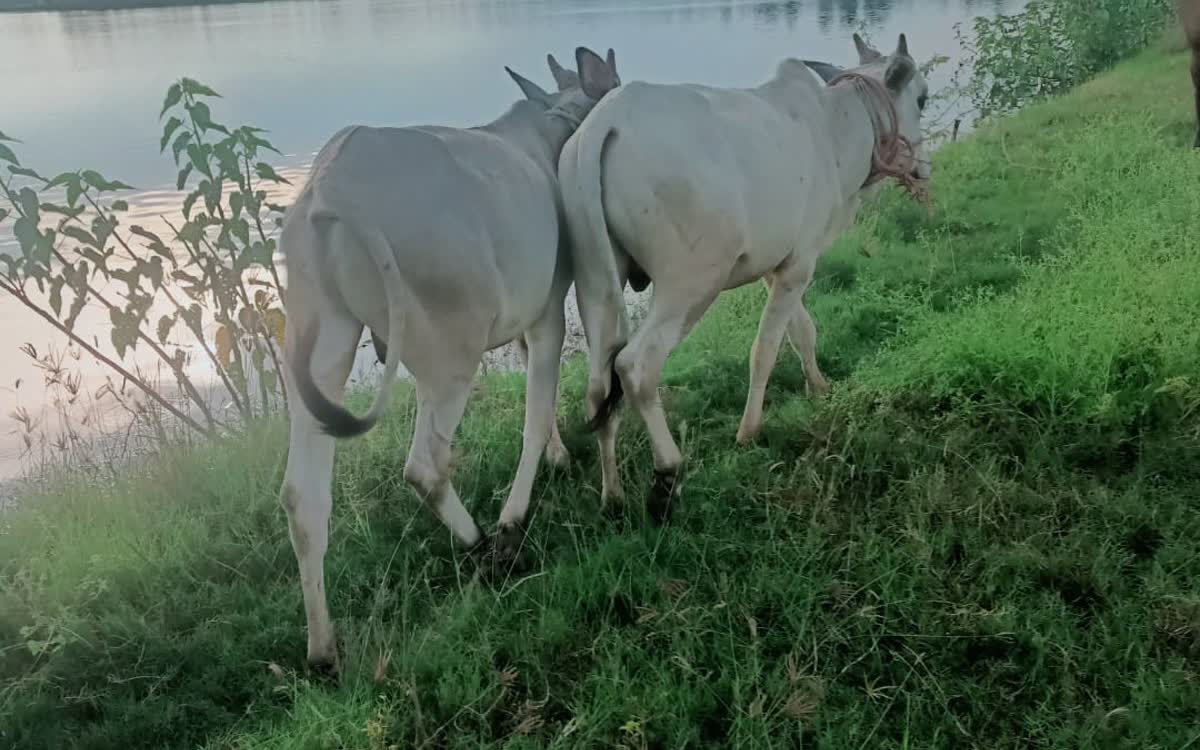
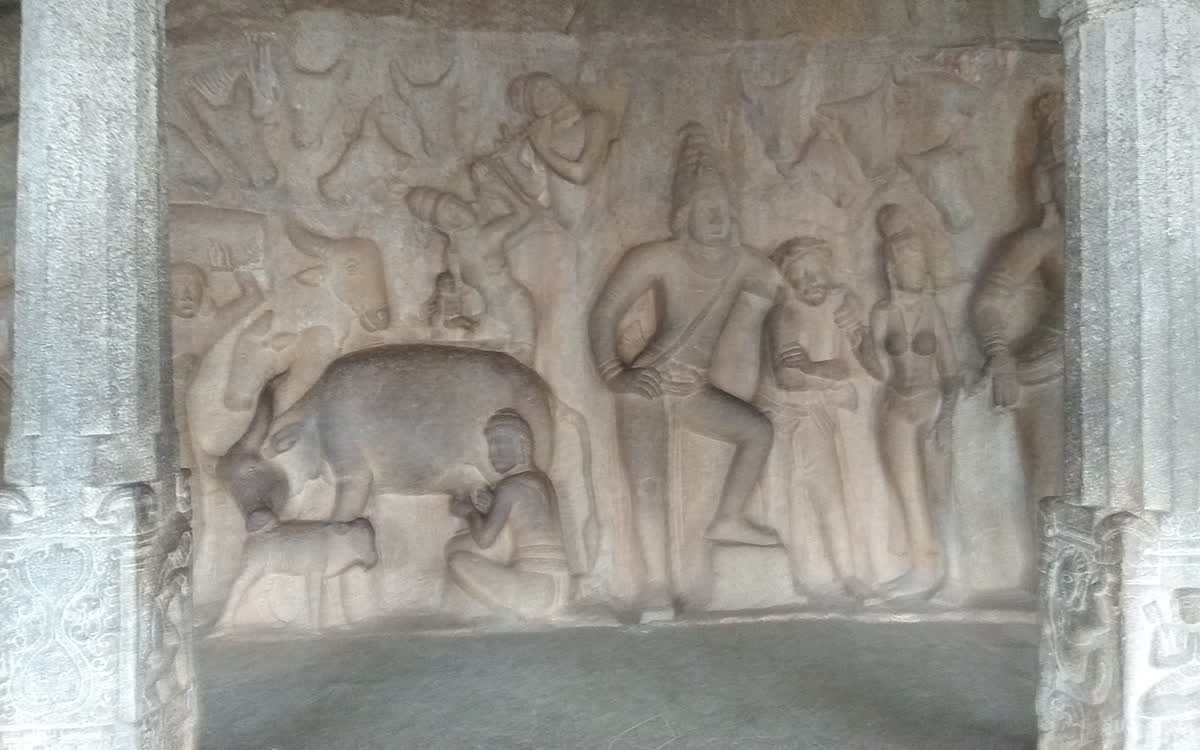
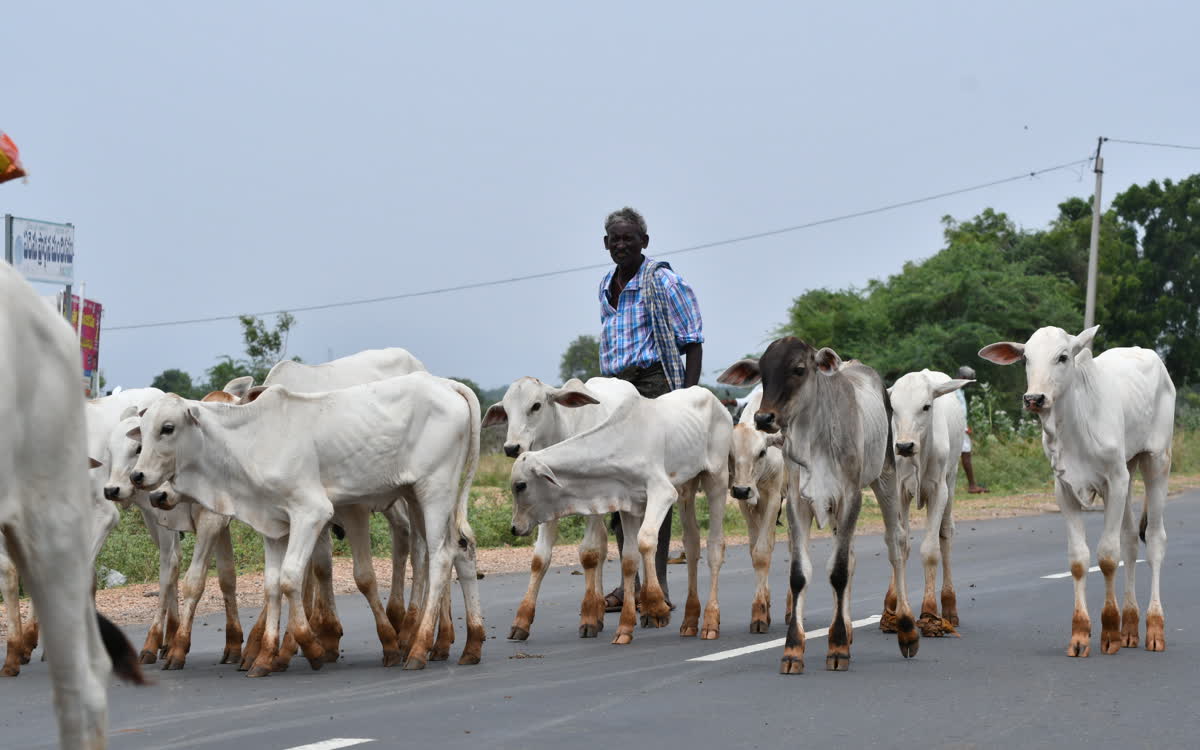
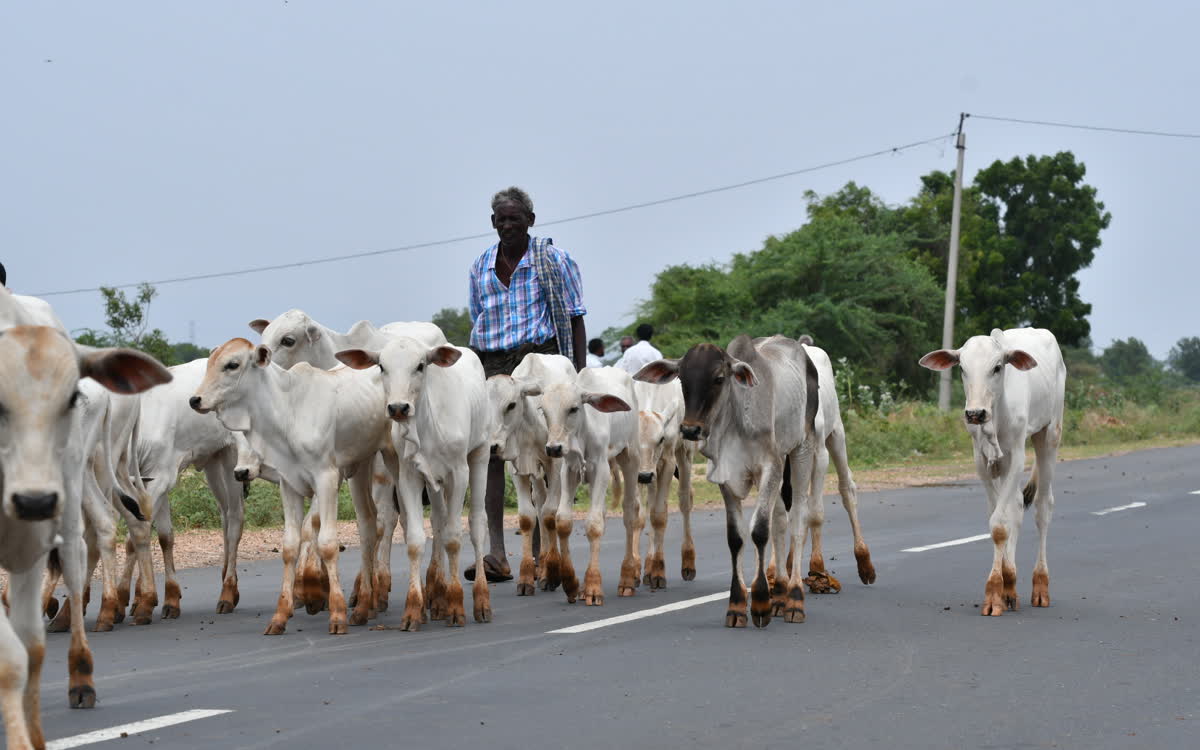
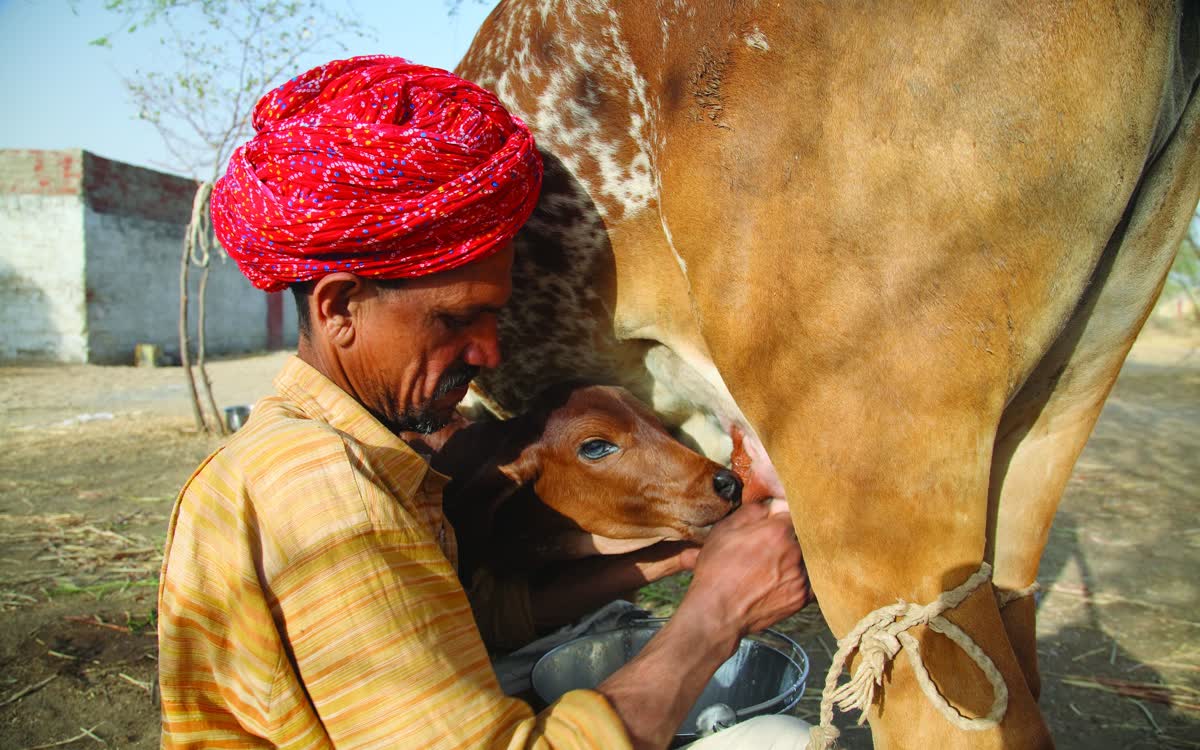
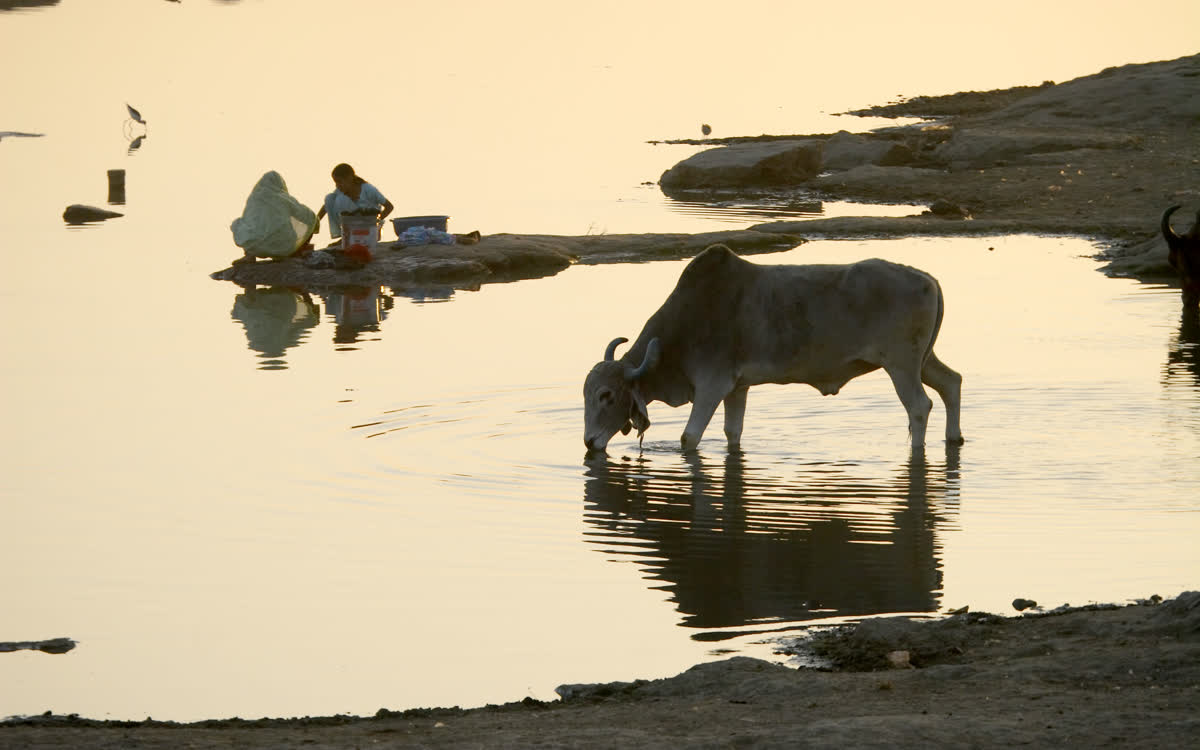
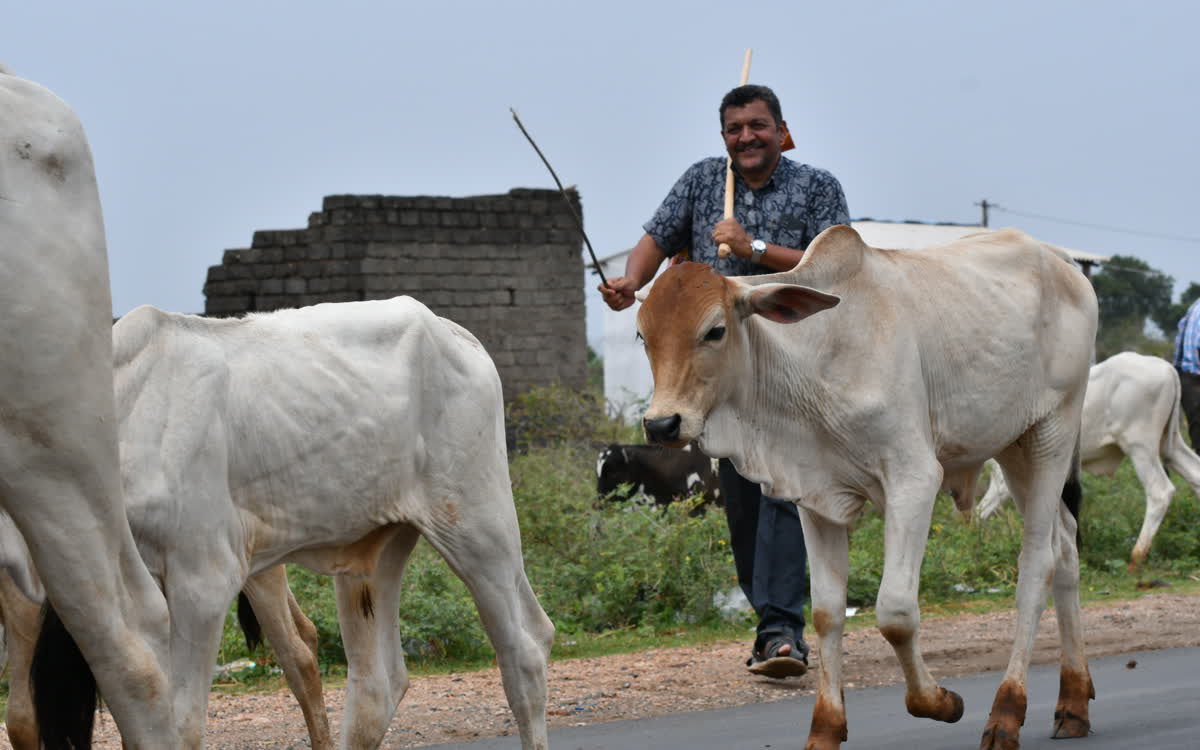
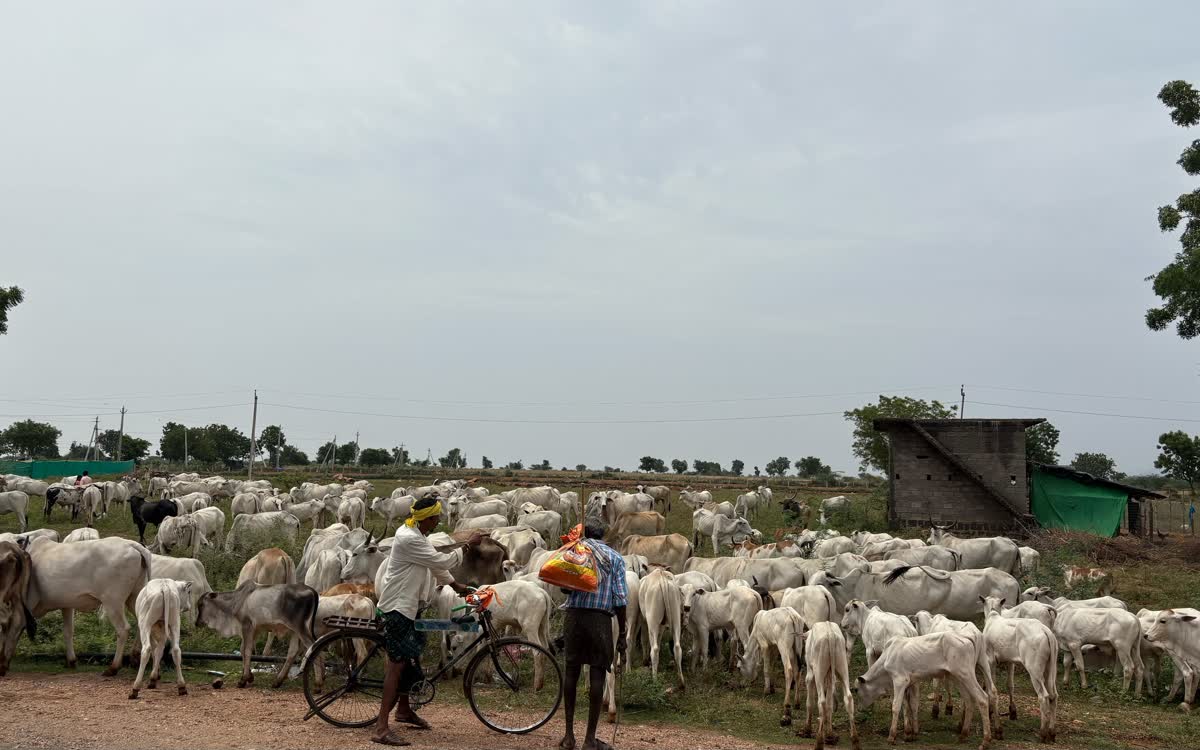
Until the goshala is standing we have nothing of our own to show. These are photographs of Ongole cattle — the breed of this coast — of gosalas in Andhra Pradesh, and of cow-keeping elsewhere in India. Every one of them will be replaced by a photograph of our own.